trail
small rocket

Pellentesque non dolor vitae lacus fringilla consequat vel quis enim. Cras venenatis mollis neque in fringilla. In vitae

Shape

Moving your products across all borders.

In today’s interconnected world, businesses of all sizes are expanding their reach across borders. Whether you’re a startup looking to enter new markets or an established company aiming to grow your global presence, the ability to move products across all borders is critical to your success. However, global shipping presents unique challenges, from navigating complex regulations to managing the risks of international transit.

In this blog post, we will explore the key aspects of international logistics, the common challenges businesses face, and how to streamline the process to ensure that your products reach their destinations smoothly and efficiently.

1. Understanding International Shipping Regulations

One of the most significant challenges of moving products across borders is navigating international regulations. Every country has its own import and export laws, which can vary greatly. These include duties, taxes, and product-specific requirements that can impact the cost and timeline of your shipments.

Key considerations:

  • Customs clearance: Understand the customs procedures in the countries you’re shipping to. Accurate documentation is crucial for avoiding delays and additional costs.
  • Tariffs and taxes: Be aware of import duties and taxes, which can significantly affect the overall cost of shipping. Consider leveraging Free Trade Agreements (FTAs) where applicable.
  • Product compliance: Ensure your products meet the regulatory standards of the destination country, such as labeling, health, and safety standards.

Working with an experienced customs broker or logistics partner can help you stay compliant and navigate the complexities of cross-border shipping.

2. Choosing the Right Shipping Method

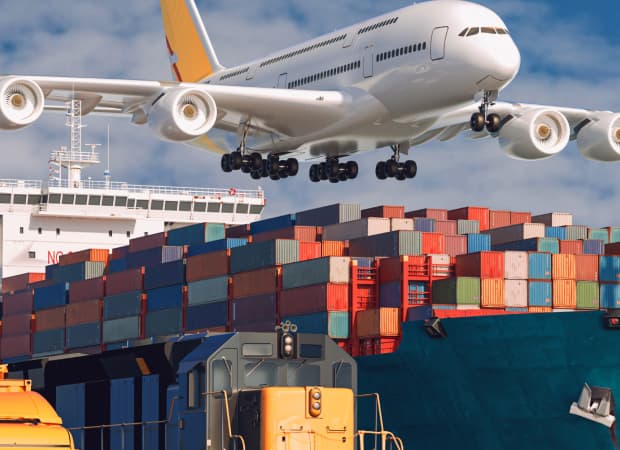
Choosing the right mode of transportation is essential for managing costs and meeting delivery timelines. Depending on the nature of your products, you may need to consider various shipping options:

  • Air Freight: Ideal for time-sensitive or high-value goods. Though more expensive, air freight offers faster transit times and better security.
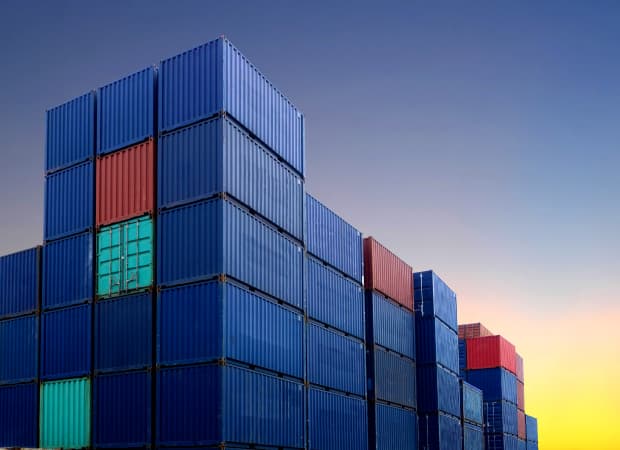
  • Ocean Freight: Cost-effective for large, bulky shipments or goods that aren’t urgent. Ocean freight has longer lead times but is more affordable for large volumes.
  • Rail and Road Transport: A good option for shipments within continents or regions. It’s often faster than ocean freight and more affordable than air, but it depends on the infrastructure and connectivity of the destination.

Assess your budget, delivery timelines, and product characteristics to determine the most suitable shipping method for each market.
3. Streamlining Your Supply Chain

Efficiency is key when moving products across multiple borders. Businesses need to establish a streamlined supply chain that minimizes delays, controls costs, and ensures smooth product movement from origin to destination.

Best practices for an efficient supply chain:

  • Leverage technology: Use digital platforms to track shipments in real-time, manage inventory, and ensure on-time deliveries. Many logistics companies offer end-to-end tracking solutions that allow you to monitor your products from start to finish.
  • Partner with a reliable logistics provider: Working with a global logistics partner can simplify the process. They offer expertise in customs, shipping routes, and global distribution networks, ensuring your products reach their destinations quickly and efficiently.
  • Consider warehousing options: Strategic warehousing in key markets can reduce shipping times and costs, allowing you to meet customer demand faster. Many businesses use a combination of centralized and decentralized warehousing based on their target regions.
4. Managing Risks in International Shipping

Shipping across borders comes with inherent risks, such as delays, damage, and even lost shipments. Managing these risks is critical for protecting your products and maintaining customer satisfaction.

Risk management strategies:

  • Insurance: Ensure your shipments are properly insured to cover potential losses or damages. Most carriers offer basic liability coverage, but you may need additional insurance for high-value or fragile goods.
  • Contingency planning: Develop contingency plans for common issues, such as customs delays or transport disruptions. Have alternative shipping routes or providers ready in case of emergencies.
  • Monitor geopolitical risks: Stay informed about political, economic, and environmental conditions in your target markets, which can impact shipping timelines and safety.
5. Expanding Your Market Reach

International shipping opens the door to new markets, allowing your business to grow its customer base. However, expanding globally requires careful planning and a deep understanding of your target regions.

Strategies for success:

  • Market research: Conduct thorough research on the local markets you’re entering. Understand the demand for your product, local competition, and customer preferences.
  • Localization: Adapt your product offerings and marketing strategies to meet the needs of each region. This may include language translation, product modifications, or culturally relevant marketing campaigns.
  • Customer support: Offer excellent customer support in the local languages of your new markets. This builds trust and ensures a positive customer experience.
Conclusion

Moving your products across all borders can be a complex process, but with the right strategies in place, it can also be incredibly rewarding. By understanding international regulations, choosing the right shipping methods, streamlining your supply chain, managing risks, and adapting to local markets, you can successfully expand your global footprint.

Partnering with experienced logistics providers and leveraging technology will also help you overcome challenges and maximize efficiency. Whether you’re shipping to neighboring countries or expanding into distant regions, the world is full of opportunities waiting for your products.

Is your business ready to take the next step in global expansion? Let us help you move your products across all borders with ease!